Why Every Project Starts With a Material Board
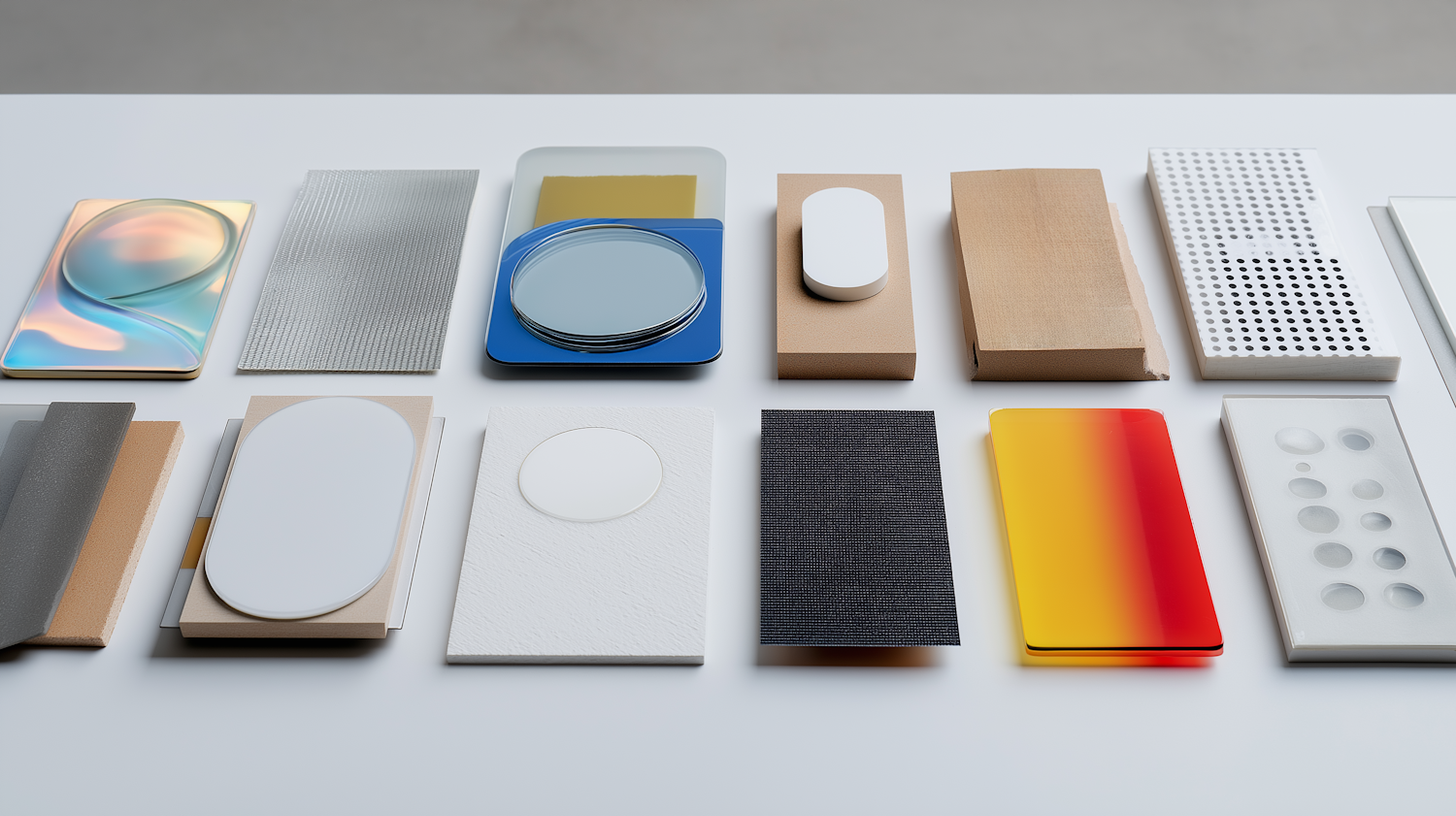
Before I choose a single piece of furniture, I gather real samples of wood, stone, fabric and metal in one place. It is the most useful hour of any project.
5 min read
Mood boards on a screen are a lovely place to dream. But screens flatten everything: a velvet looks like a cotton, oak looks like walnut, and every white looks exactly the same.
That's why every project in my studio starts with a physical material board.
What goes on the board
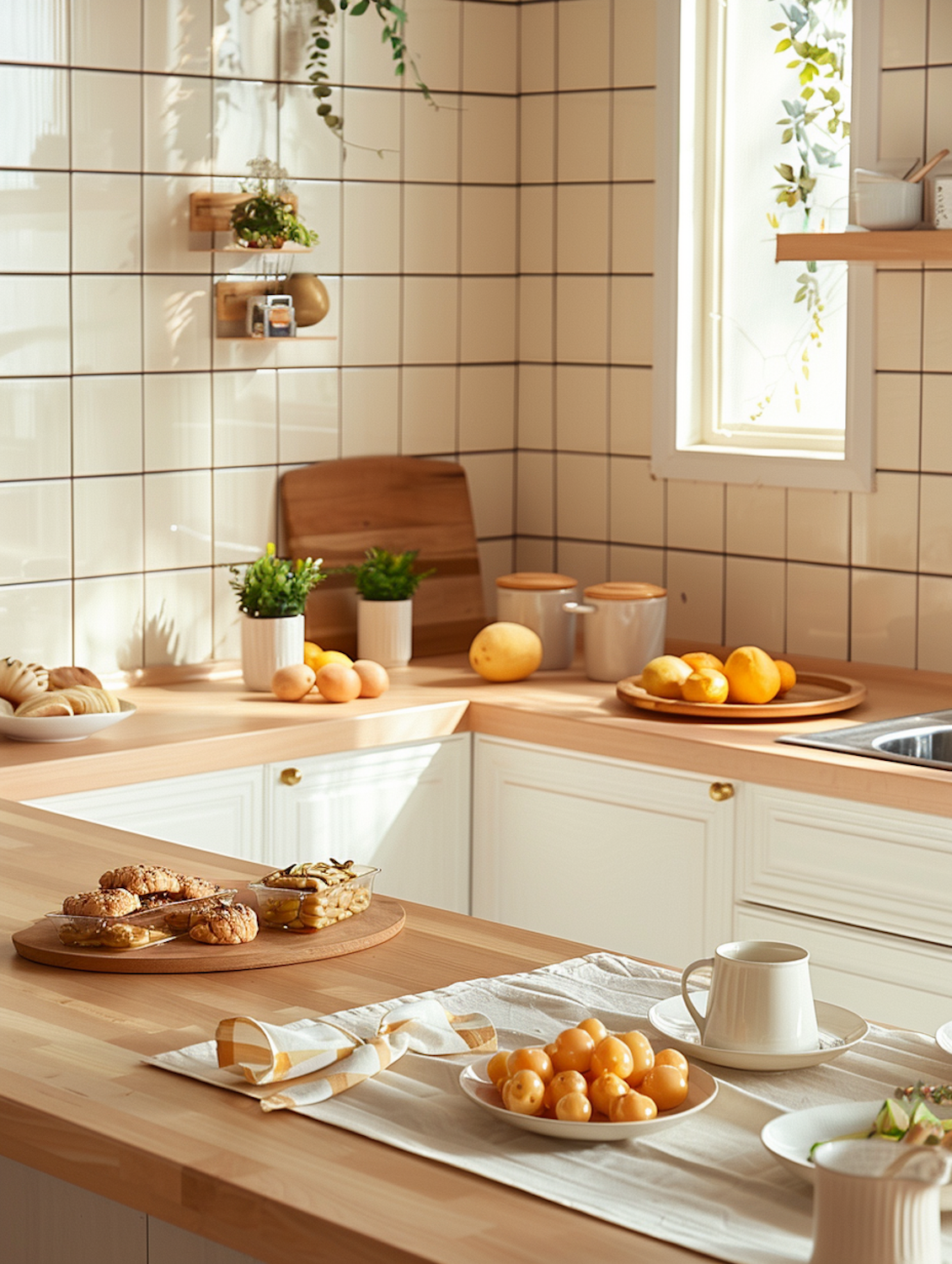
- The fixed elements: a sample of the flooring, countertop or tile you're keeping.
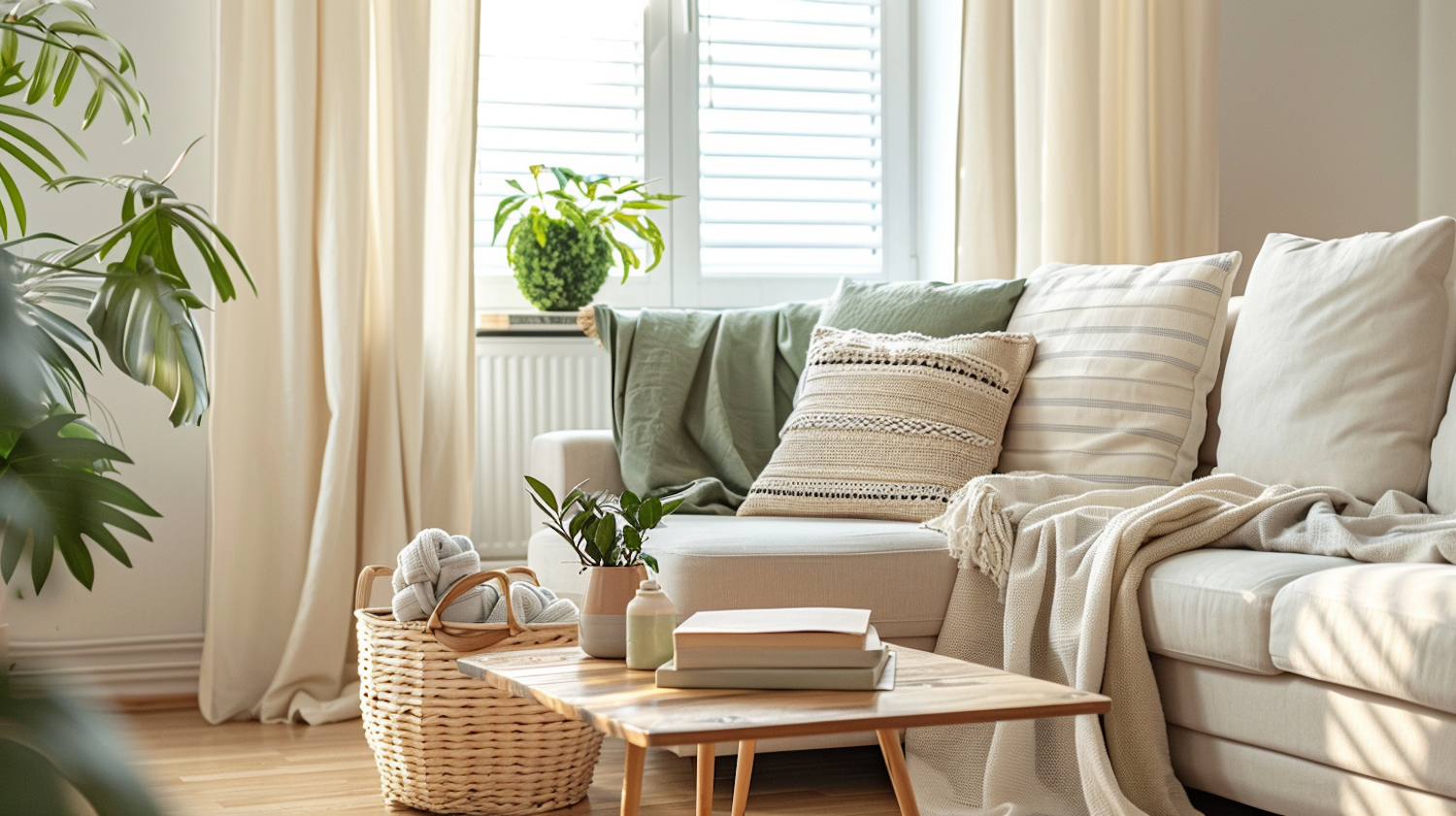
- The big fabrics: sofa, curtains and rug, as real swatches.
- Wood and metal: furniture finishes, hardware and lighting.
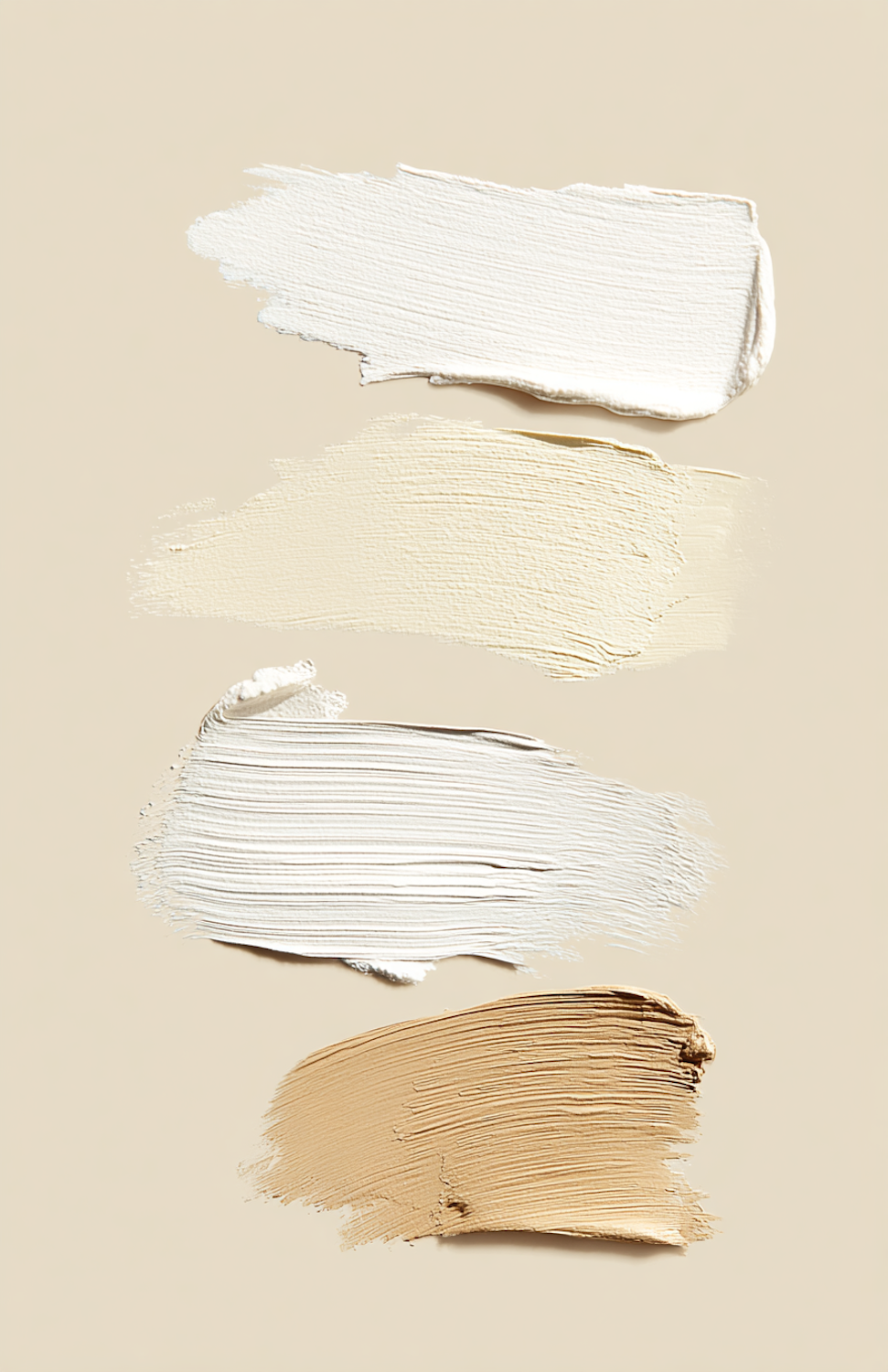
- Paint: painted cards, added last.
Look at it in the actual room
Lay the board on the floor where the sofa will go and come back to it throughout the day. Samples that clashed under bright studio lights may sit together beautifully in your afternoon sun, and the other way around.
Balance warm and cool
A room built only from warm woods and cream can feel sleepy. A touch of something cooler, like blue-gray stone, aged pewter or a deep green velvet, keeps it lively. A board makes that kind of imbalance obvious at a glance.
If the materials work together in your hand, the room will work together around you.
Make your own
Ask showrooms for samples, since most are free or refundable, use a sturdy piece of foam board, and keep it until the project is finished. It becomes the single reference that keeps every decision on track.