The Layered Living Room: Five Moves for Instant Warmth
A living room feels finished when it has depth: light at different heights, texture you can feel and a few pieces with a story. Here is the order I layer them in.
7 min read
Most living rooms I walk into aren't missing furniture. They're missing layers. The sofa is there, the rug is there, the television is there, and yet the room feels flat, like a showroom waiting for someone to move in.
Layering is how a room starts to feel lived in. It isn't about adding more things. It's about adding depth: light at different heights, texture you can feel from across the room, and a few objects that carry a story. This is the order I work in on almost every project.
1. Start with the rug, and go bigger than you think
A rug sets the footprint of the conversation area. If it only fits under the coffee table, the whole room feels like it's floating. Aim for a rug large enough that at least the front legs of every seat rest on it. In most living rooms that means 8 by 10 feet or larger.
A flat-weave wool or a low pile in an undyed tone gives you a calm base that lets everything else shine.
2. Light the room at three heights
Overhead light on its own makes a living room feel like an office. I plan for three levels:
- Low: a table lamp on a side table or console, at seated eye level.
- Middle: a floor lamp beside a reading chair.
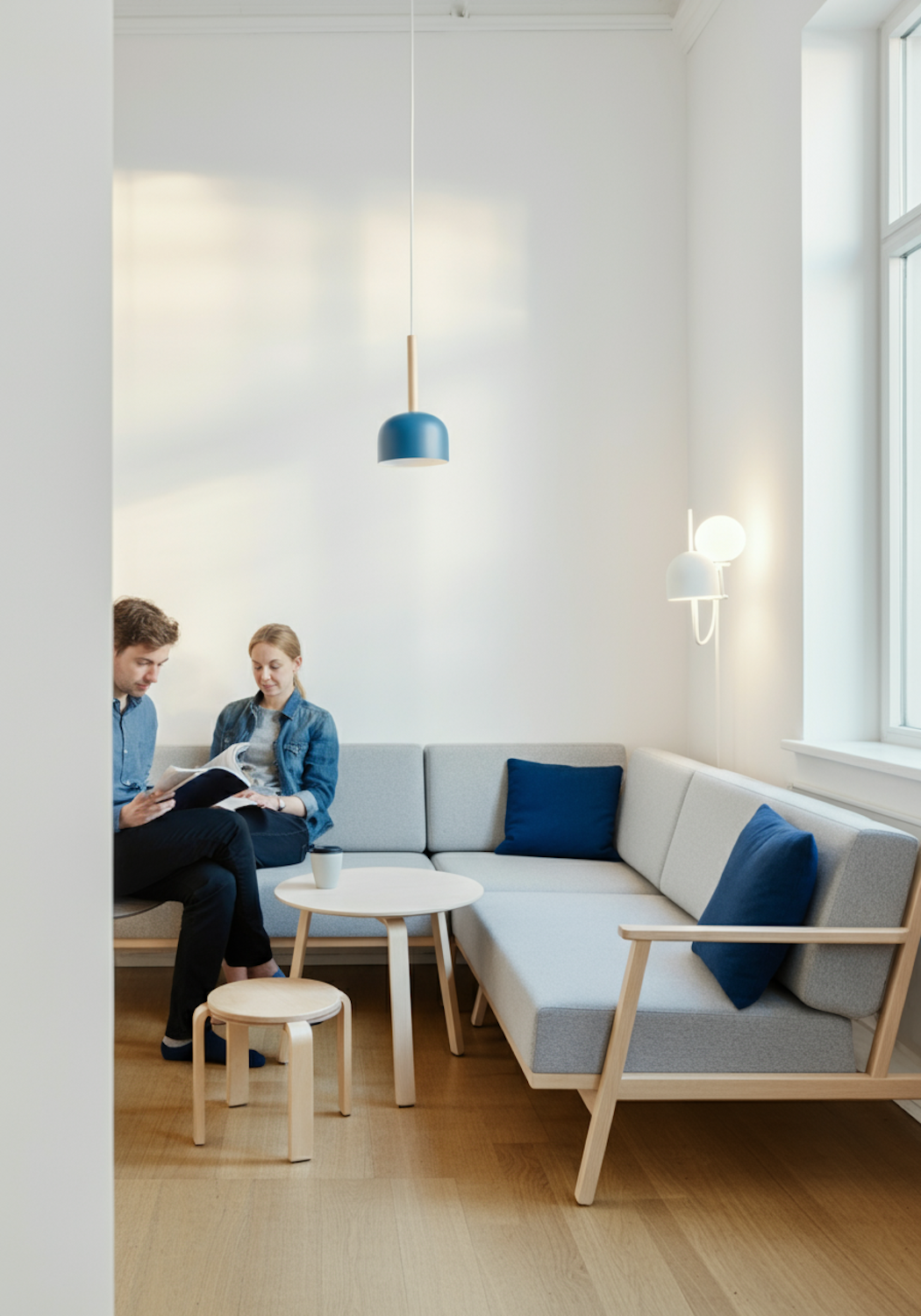
- High: a pendant, wall sconces or picture lights that wash the walls.
Choose warm bulbs, around 2700K, and put as many as you can on dimmers. The goal in the evening is pools of light, not even brightness.
3. Mix at least three textures
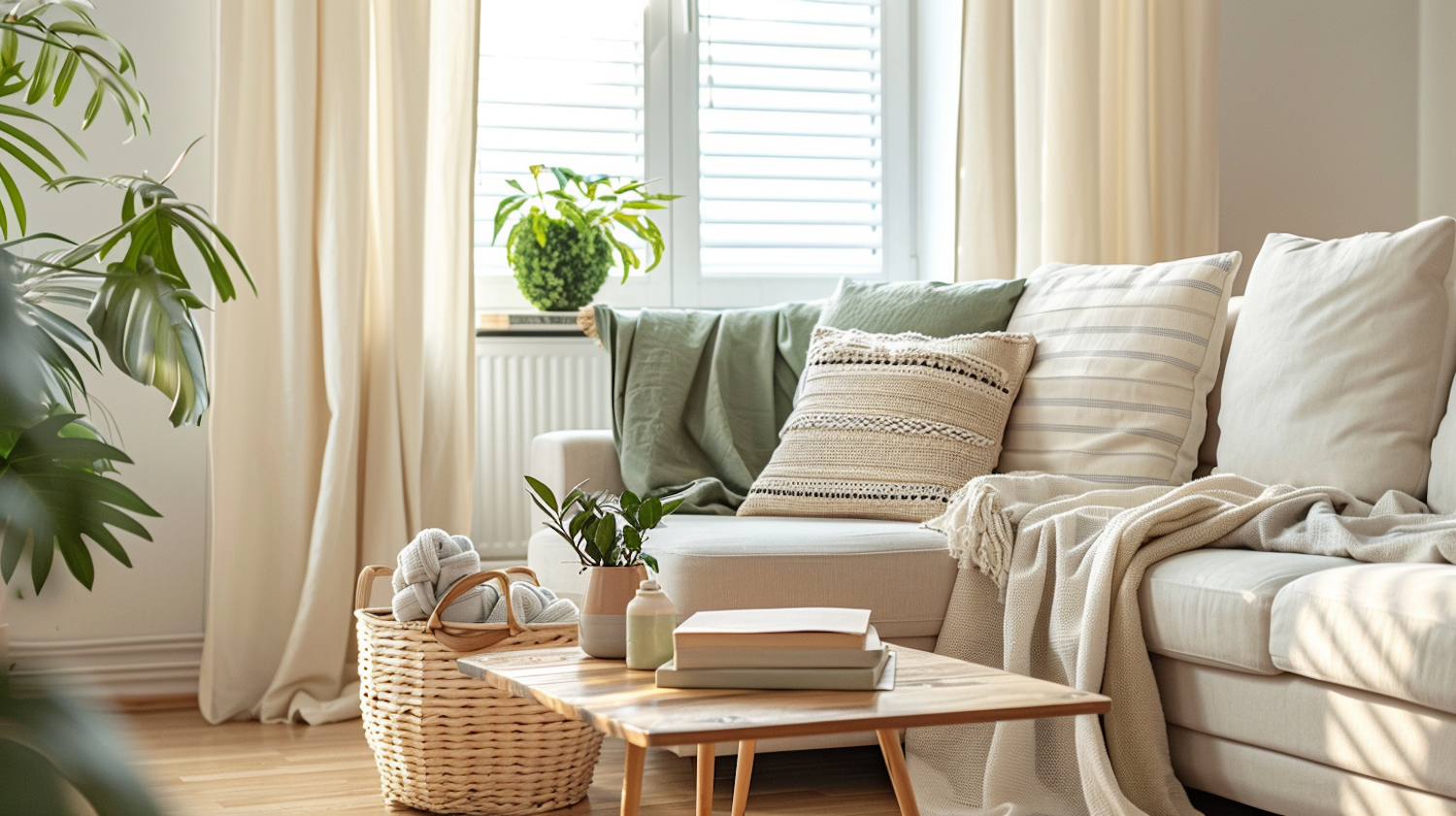
When every surface is smooth, the eye slides right off. Pair something nubby, like boucle, wool or a chunky knit, with something crisp, like linen or cotton, and something with a little sheen, like aged brass, glazed ceramic or leather. Texture is what makes a neutral palette feel rich instead of beige.
4. Add one piece with a past
A vintage side table, a ceramic bowl from a trip, a chair inherited from a grandparent. Every room needs at least one thing that wasn't bought in the same season as everything else. It breaks the catalogue feeling instantly.
A room should look like it was collected over time, even if you finished it last month.
5. Finish with something living
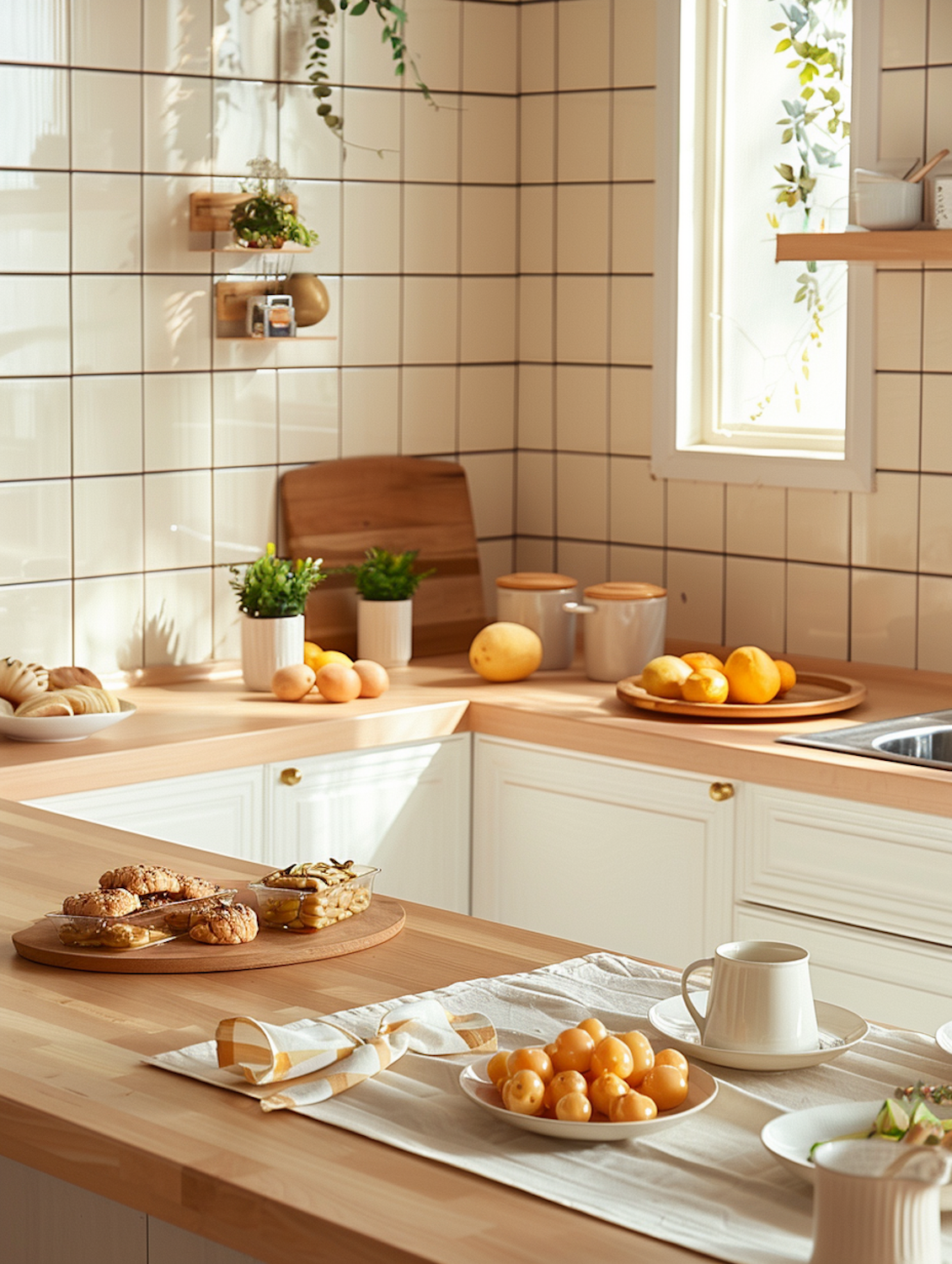
Branches in a tall vase, a generous plant in a corner, a bowl of fruit on the coffee table. Living things bring movement and color that no textile can replace.
Work through these in order and stop when the room feels right. You'll be surprised how often that happens before you reach the end of the list.