A Bedroom Built for Rest
Your bedroom should be the quietest room you own. Small choices in color, light and what you leave out make the biggest difference to how well you sleep.
5 min read

The bedroom is the first room we see in the morning and the last one we see at night, yet it's often the room we design last. It quietly becomes the home of the exercise bike, the laundry pile and the boxes nobody has unpacked.
A restful bedroom is mostly about subtraction. Here's where I start.
Keep the palette soft and low in contrast
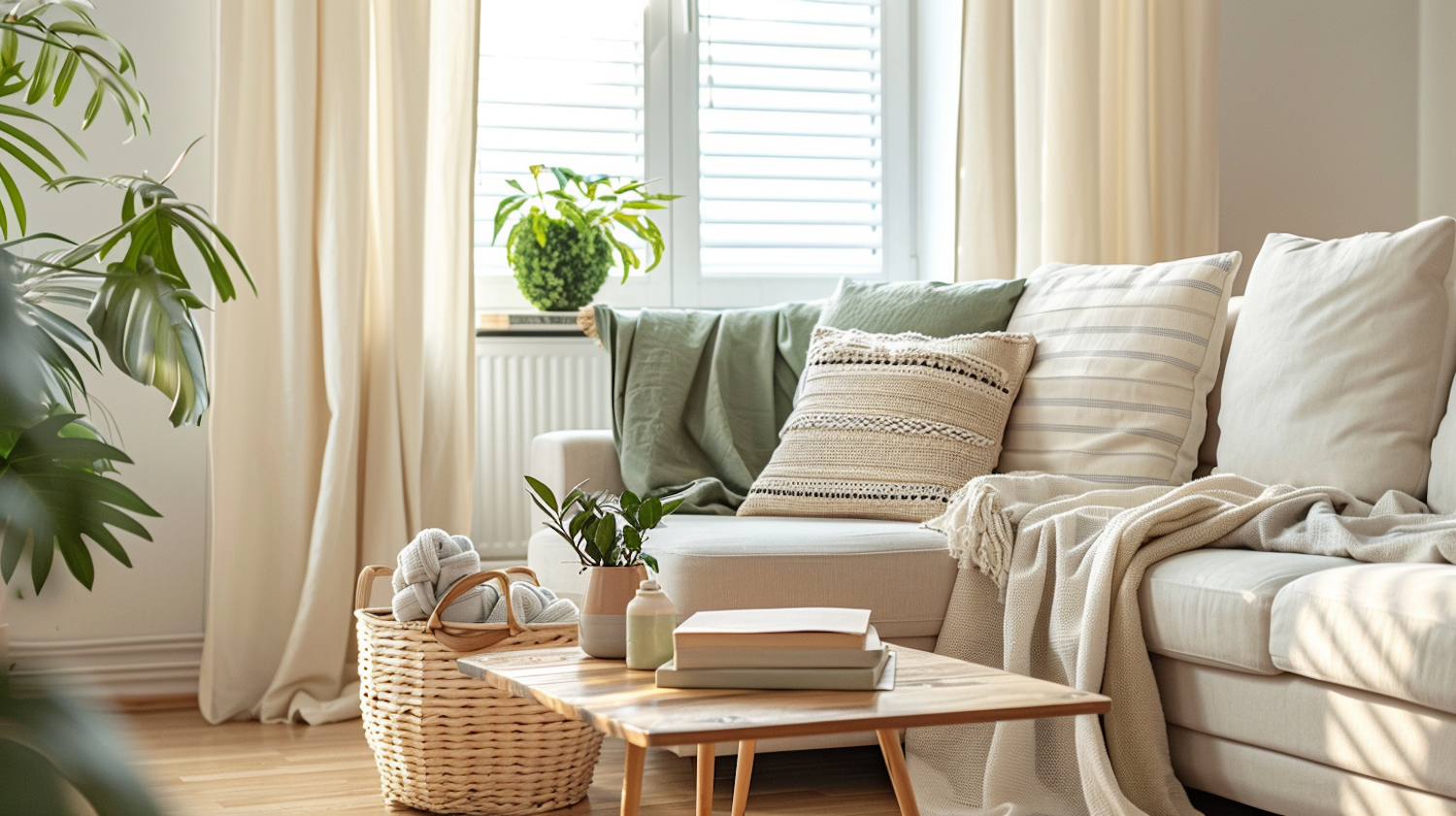
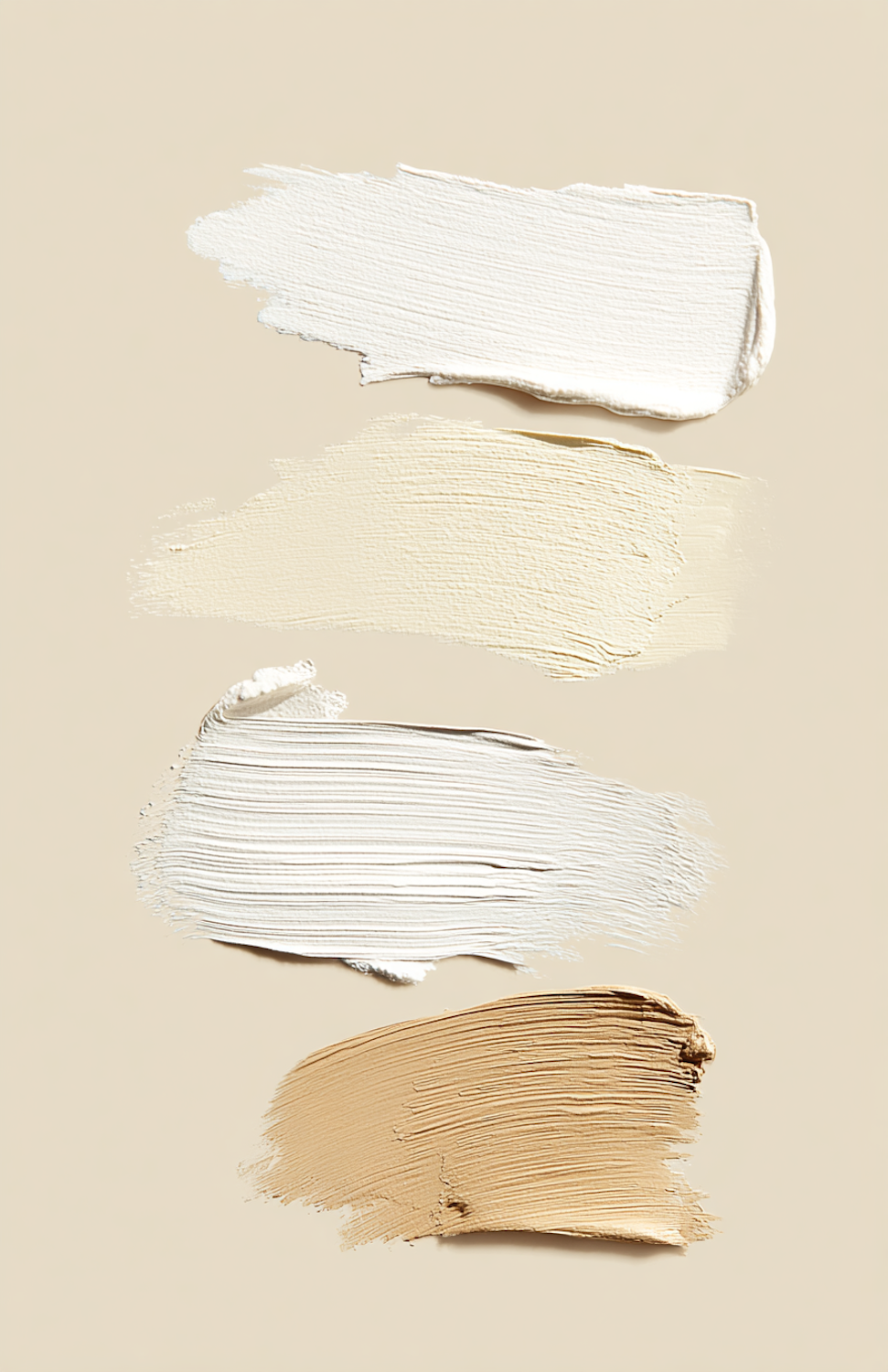
Muted, earthy tones like oatmeal, mushroom, dusty blue or sage calm the eye. High contrast energizes a space, which is wonderful in a dining room and far less helpful when you're trying to sleep.
Layer the bed like you mean it
- Washed linen or percale sheets that breathe.
- A lightweight quilt for warm months and a duvet for cold ones.
- Two sleeping pillows each, plus one decorative cushion at most.
The more layers you can add or remove, the better you'll sleep through every season.
Control the light
Lined curtains or blackout shades make an enormous difference. Hang curtains high and wide so they frame the window rather than shrink it. In the evening, switch off the overhead light in favor of bedside lamps with warm, dimmable bulbs.
Give everything a home
Clutter is visual noise. Nightstands with a drawer, a bench at the end of the bed and a basket for the throw blanket keep surfaces clear without much effort.
If it doesn't help you rest, ask whether it belongs in the bedroom at all.
Start with one change this weekend. Very often, it's simply clearing the nightstand.